Persuasion in Online Communication and Deployment of Rhetorical Strategies of Persuasion in Online Spaces

Persuasion works in online communication by moving audiences to action or belief. Persuasion can be affected by basic characteristics in of communication in digital spaces such as speed, reach, anonymity and interactivity. If you have a great amount of audience, there is a higher chance for you to persuade more people but this also depends on how many people share your posts, however your credibility and the authenticity of your post can also be challenged because of your anonymity although it can also result to interactivity which permits interaction between people that makes room for discussion and feedback.
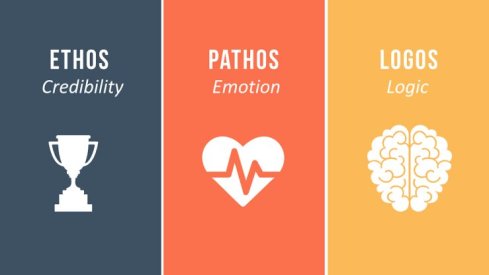
Rhetorical strategies of persuasion are deployed in online spaces and one way to do that is through online debates, example is the Lotus MarketPlace and the Clipper Chip issue wherein the product (Clipper Chip) raised issues related to personal privacy and it provoked strong protests via newsgroups and e-mail. According to Gurak, the online protests were based upon emotive ethos and the response of the company to this was based upon hard-facts corporate logos.

It can also be deployed in online spaces like Twitter, example of that are the tweets by former presidential candidates Clinton whose tweets are mainly logos and Sanders tweets that are logos and pathos. Also one of the most famous person on Twitter, current US president Trump with his pathos driven tweets.

Computer Programs as Persuasive Technology
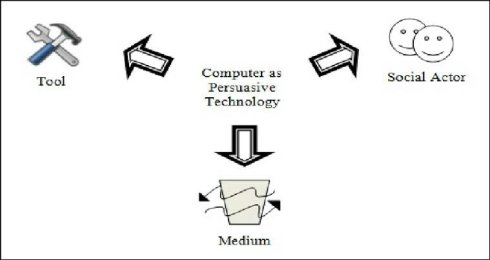
According to B.J Fogg, computer programs functions as persuasive technology as a tool, medium and social actor. When computer programs simplify processes or customise information, it functions as a tool. When it stimulates cause-and-effect processes, environments or objects, it works as a medium. It also functions as a social actor through a variety of physical, psychological, linguistic and social cues.
Processes of Identity and Community Formation and How it Affects Rhetorical Practice Online
 The new digital media is not only a place for persuasion but is also for self-expression. This new media is used to form identity and community.Through the different forms of social media platforms we are able to create numerous versions of us that can be close to or far away from our real self. We can also mingle with other people to whom we have shared interests with, thus creating a form of community with them.These processes of identity and community formation on social media affect rhetorical practice online in a good and bad way in a sense that it allows differing opinions and feedbacks from various people to be shared without any restraints and that can either result to an agreement or an argument.
 Jeanette dot Comm