Lloyd F. Bitzer defines rhetorical situation as a complex of persons, events, objects, and relations presenting an actual or potential exigence which can be completely or partially removed if discourse, introduced into the situation, can so constrain human decision or action as to bring the significant modification of the exigence.
There are three aspects that comprise everything relevant in a rhetorical situation: exigence, audience and constraints.
Exigence is the first aspect of a rhetorical situation. It is a problem that needs solution. An exigence can be considered as a rhetorical one of it can be changed and requires discourse to attain said change.
Audience is the second aspect. It is composed of people who can be influenced by discourse and are capable of being mediators of change.
The third and the last aspect is the Constraints. It is composed of people, events, objects that is related to the situation that can influence the decision and action needed to change the exigence.
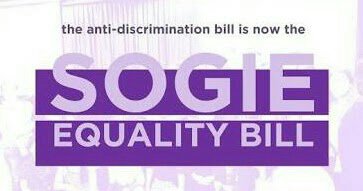
There are a lot of issues that calls for rhetorical discourse. One of the issues nowadays is the Sex Orientation Gender Identity and Expression Equality Act commonly known as the SOGIE Bill. It is one of the issues here in our country that I think warrants rhetorical discourse.
This particular bill that aims to prevent discrimination against people based on their sexual orientation, gender identity, or expression is misunderstood by the majority of the people and even demonized by some. The bill was made not only to protect the LGBTQIA+ community but also everyone who has gender identity and sexual orientation, which means that if you are a heterosexual male or female you are also protected by this bill.
I believe that the misconceptions about this bill needs to be addressed and that this issue calls for rhetorical discourse.
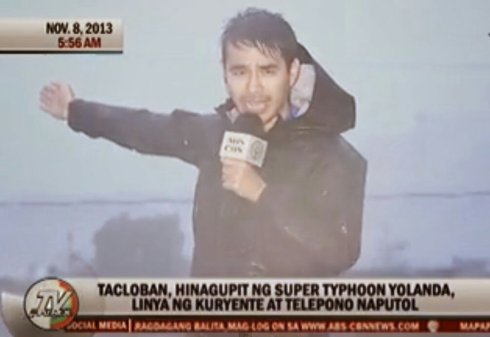
- Video 1: Storm Surge Hits Tacloban City
- Video 2: Film Director Speaks Out in a Rally
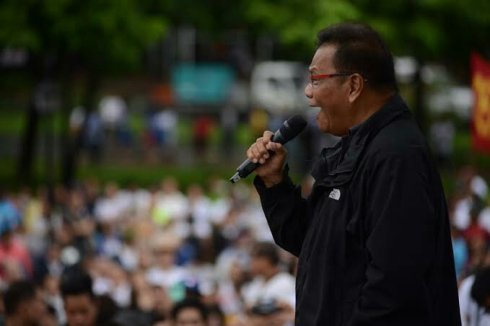
Both of the videos are addressing current situations and are giving information to the audience. The first video was a report about the storm surge in Tacloban City and the second one was a speech condemning the supposed burial of Marcos in the Libingan ng mga Bayani. Both has audiences, the first video’s audience were behind the screens while the second video’s audience were live.
The notable difference between the two videos are the form of speech used by the speakers. The first video used formal speech in addressing the audience or viewers, while on the second video the speaker used an informal speech in addressing the live audience.
Between the two videos, the second one for me contains a rhetorical situation.
The problem that is being addressed, which is the supposed burial of Marcos in the Libingan ng mga Bayani can be considered as the exigence. The people present at the rally are the audience that can be influenced by the speaker’s speech and can be mediators of change through rallies and protests. The constraints are the the Supreme Court’s decision about the certain issue and of course the people.
 Jeanette dot Comm
It’s exigence, not exigent.
LikeLike
Sorry Miss, my mistake.
LikeLike